
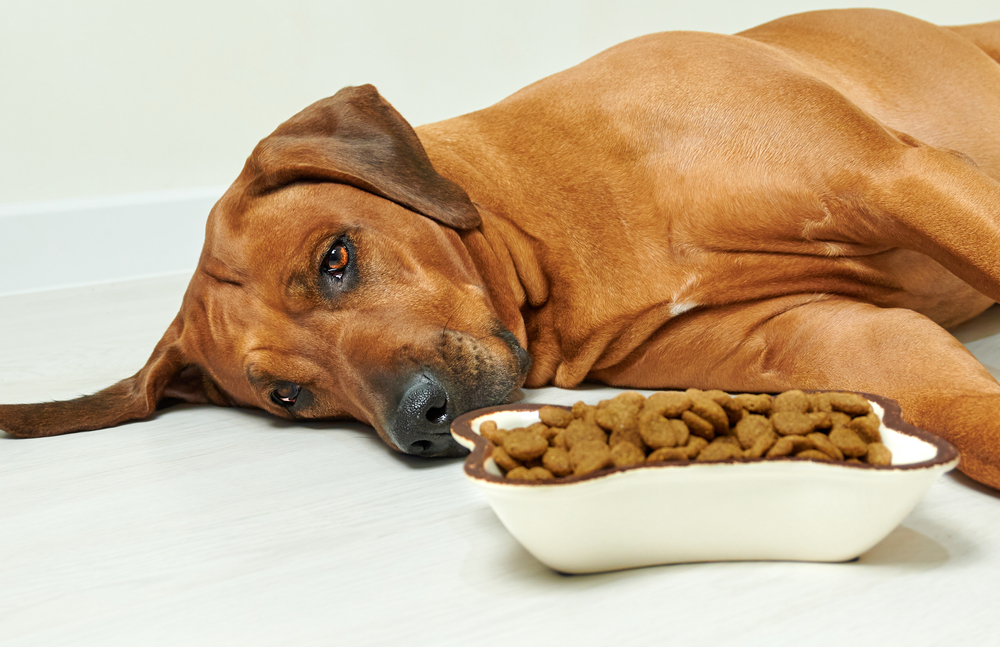
Best dog food for a sensitive stomach is just one of the things you can provide your dog to help them with a tummy complaint. A sensitive stomach is a common health issue in pets and this one you are likely to encounter more than once.
Although it is usually nothing to worry about, a sensitive stomach can signify a more serious underlying issue. A more immediate problem for you might be cleaning up the inevitable vomiting and diarrhoea that accompanies a sensitive stomach. This task is never a pleasant one!
This article aims to inform you what to do if your pet has a sensitive stomach. Therefore, read on to set aside any concerns you might have on this issue.
What Causes a Sensitive Stomach in Your Pet?
As we mentioned above, pets getting sensitive stomachs is quite common, and there are some straightforward explanations and simple remedies for it. However, if you suspect anything abnormal, you should contact your vet to put your mind at ease.
Your pet’s diet is likely to be a factor in getting a sensitive stomach. Often, pets can have an allergy that you are unaware of, or they can become allergic to certain foods over time or at certain ages. Also, they may be intolerant to certain foods.
Best Dog Food For a Sensitive Stomach and What Foods To Avoid
You should understand the difference between food intolerance and a food allergy. If your pet is allergic to certain foods, it may start to itch or scratch as a human with an allergic reaction would do. On the other hand, food intolerance is more likely to result in vomiting and diarrhoea.
These two conditions have in common: they can both be the result of certain pet food ingredients. Such ingredients include the following:
- Beef
- Corn
- Dairy products
- Lamb
- Seafood
- Soy
- Wheat gluten.
This list is quite extensive, so it can prove challenging to eliminate these from your pet’s diet. Your first step should be to identify a food containing none of these ingredients. Try looking for foods with minimal quantities if you cannot find any.
Such small amounts may reduce or eliminate the effect of the allergy or intolerance. If neither of these solutions works, you could try preparing some homemade meals for your pet. You may also consider consulting your event and see if they can recommend a suitable food for your pet’s condition.
Hairballs Causing a Sensitive Stomach
Another common cause of sensitive stomachs for pets is hairballs. Of course, these also affect owners, who have to clean up the mess. You have several options when it comes to eliminating hairballs.
Cats like to keep themselves clean, so they are constantly licking their fur. It is through them swallowing their hair that hairballs are created. By brushing your cat frequently, you can minimise the amount of fur they consume. Also, try to bathe him at least once every couple of months. Doing so will remove excess hair as well as keep parasites at bay.
Certain treats and foods can help keep hairballs under control. You can also apply pests to your cat’s fur, and these can be purchased over-the-counter. If you have tried all other solutions, you should consult your vet about the issue.
Final Thoughts on Best Dog Food For a Sensitive Stomach
It is no fun to witness your pet feeling poorly, and you also have the mess to deal with. Should the issue become prolonged or its severity increase, you should seek help from your vet immediately. If your pet is vomiting or suffering diarrhoea for a prolonged period, it can become dehydrated. This can lead to more severe health issues, so you should consult your vet if you have any uncertainties.
Hopefully, this brief article will help alleviate your concerns about your pet’s sensitive stomach. Also, if it does re-occur, you will not have a better idea of what to do.
View our other articles on the best pet food for your four-legged friend.